

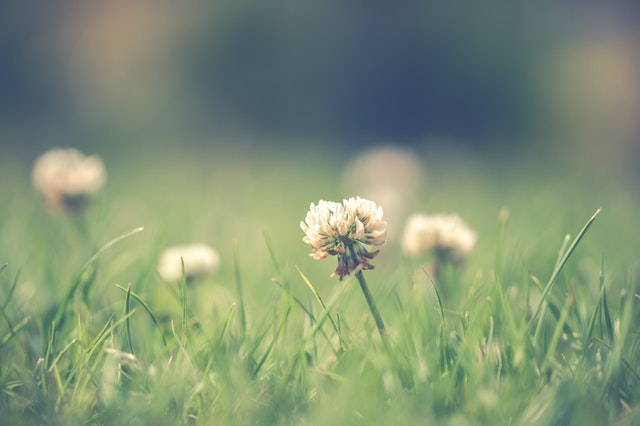
What is a weed? Put simply, it's a plant that's not wanted. There's no formal definition of what counts as a weed - it's not like the RHS website has a handy list of which plants are weeds and which plants aren't. Some plants that are considered weeds in one environment may be considered desirable elsewhere.
Common characteristics of weeds include:
- Aggressive growth and reproduction
- Growing in a place other than its natural habitat
- Ability to flourish despite inhospitable conditions
- Seeds that can lay dormant in the soil for a long time
However, a plant may still be considered a weed in certain contexts even if it doesn't meet the above criteria. If you're looking at a particular plant and wondering whether or not it can technically be defined as weed, the question you should really be asking yourself is: Do I want this plant here?
That being said, there are plenty of plant species that pretty much everyone agrees are weeds.
What plants are considered weeds?
Examples include:
- Dandelions
- Nettles
- Bittercress
- Dock
- Bindweed
- Daisies
- Chickweed
- Groundsel
Again, whether these plants may truly be considered weeds does sometimes depend on the situation. But they tend to be unwanted in most cases.
What problems can weeds cause?
Some weeds are disliked simply because they're unattractive. An otherwise pristine lawn becomes a lot less aesthetically appealing when it's littered with unwanted weeds.
But weeds can cause plenty of other problems too. For example...
- Weeds compete with other plants (including grass) for sunlight, moisture and nutrients
- Aggressive weed growth can cause structural damage to buildings - Japanese knotweed is notorious for this
- Some weeds, such as nettles and giant hogweed, can sting or irritate the skin
- Weeds can be great hiding places for garden pests
Can weeds be beneficial?
Yes they can. Weeds may cause problems, but they do have their uses as well. Stinging nettles have a variety of uses (they are commonly used in soups and teas, for instance). Some weeds are used to repel pests. Even the aforementioned Japanese knotweed - an invasive species so aggressive that you can face legal action if you allow it to spread - is edible. Apparently it tastes a bit like rhubarb.
Still, if you do have a weed problem in your garden, it's best to get it under control ASAP. Call Lawn & Weed Expert on 0800 111 4958 today to arrange a FREE lawn survey.
Photo from Pexels